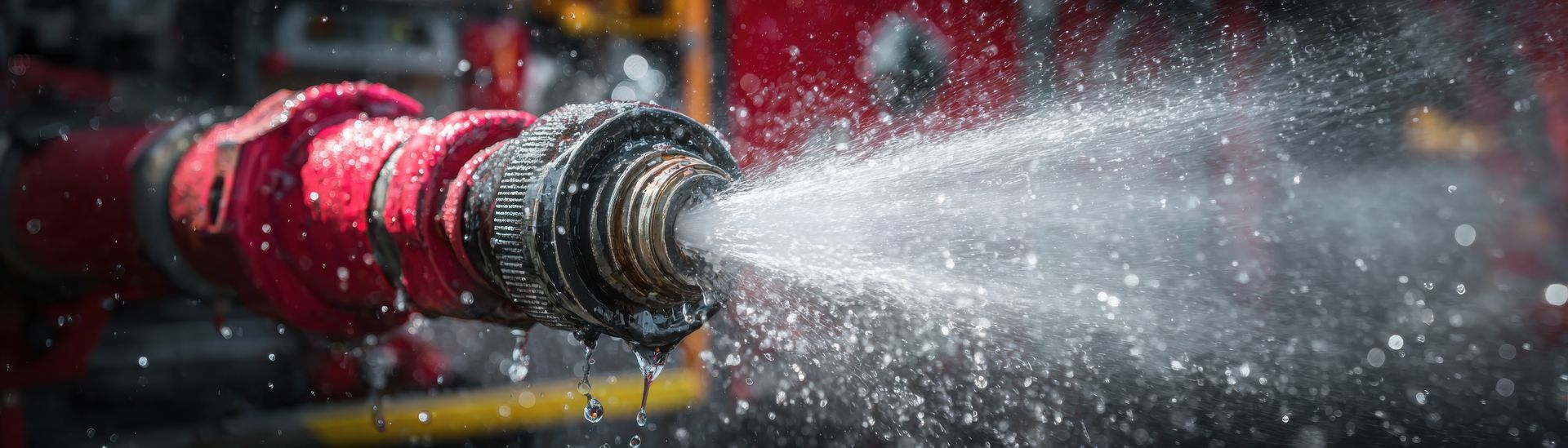
Learn step-by-step how to respond to hydraulic hose failures, including emergency repairs, safety tips, and preventive maintenance for fleet and equipment.
Ensure your farm machinery runs smoothly with reliable hydraulic hoses. Learn maintenance tips and solutions from Van Otterloo Inc. for agriculture.
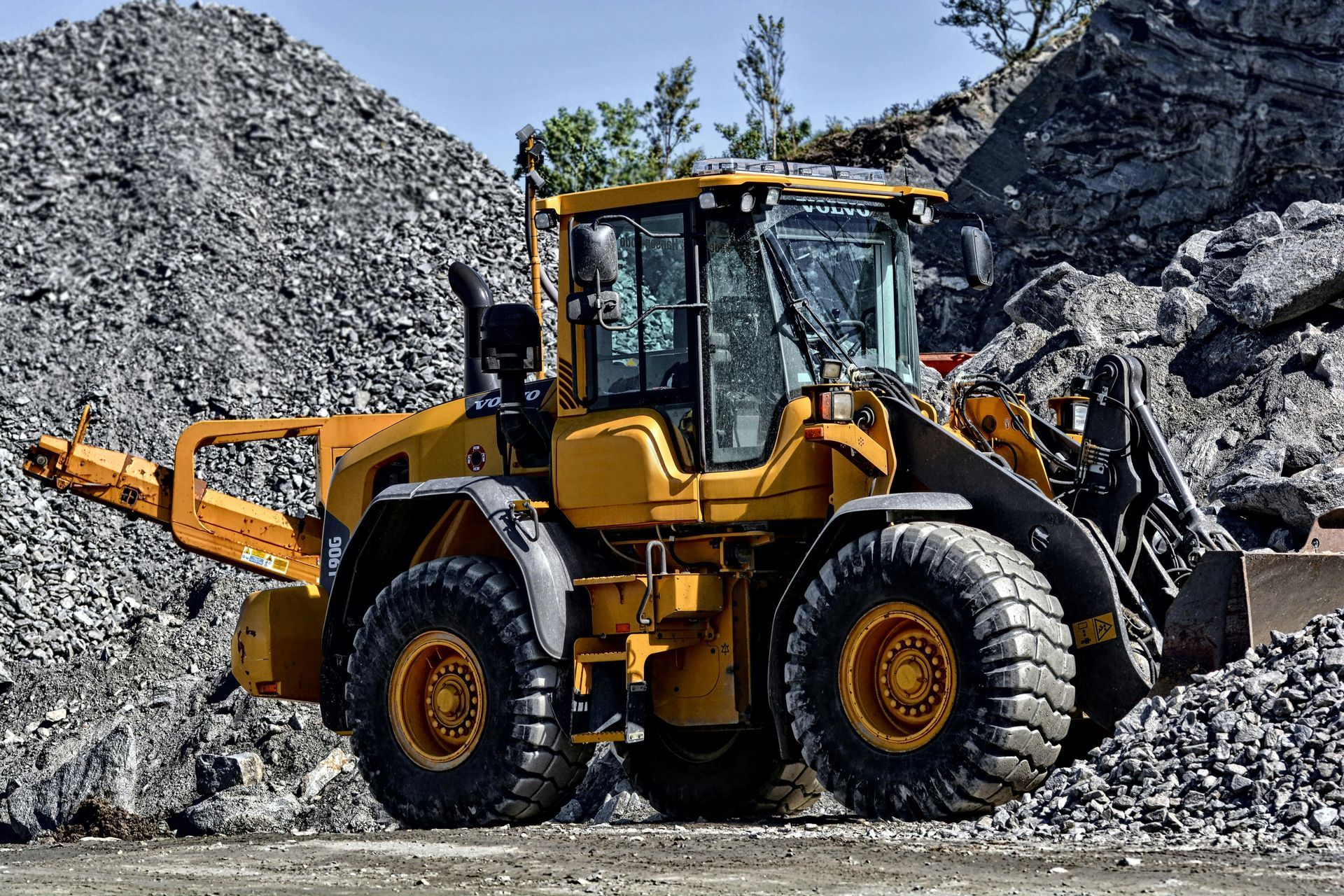
Essential Tips for Construction and Industrial Equipment Operators
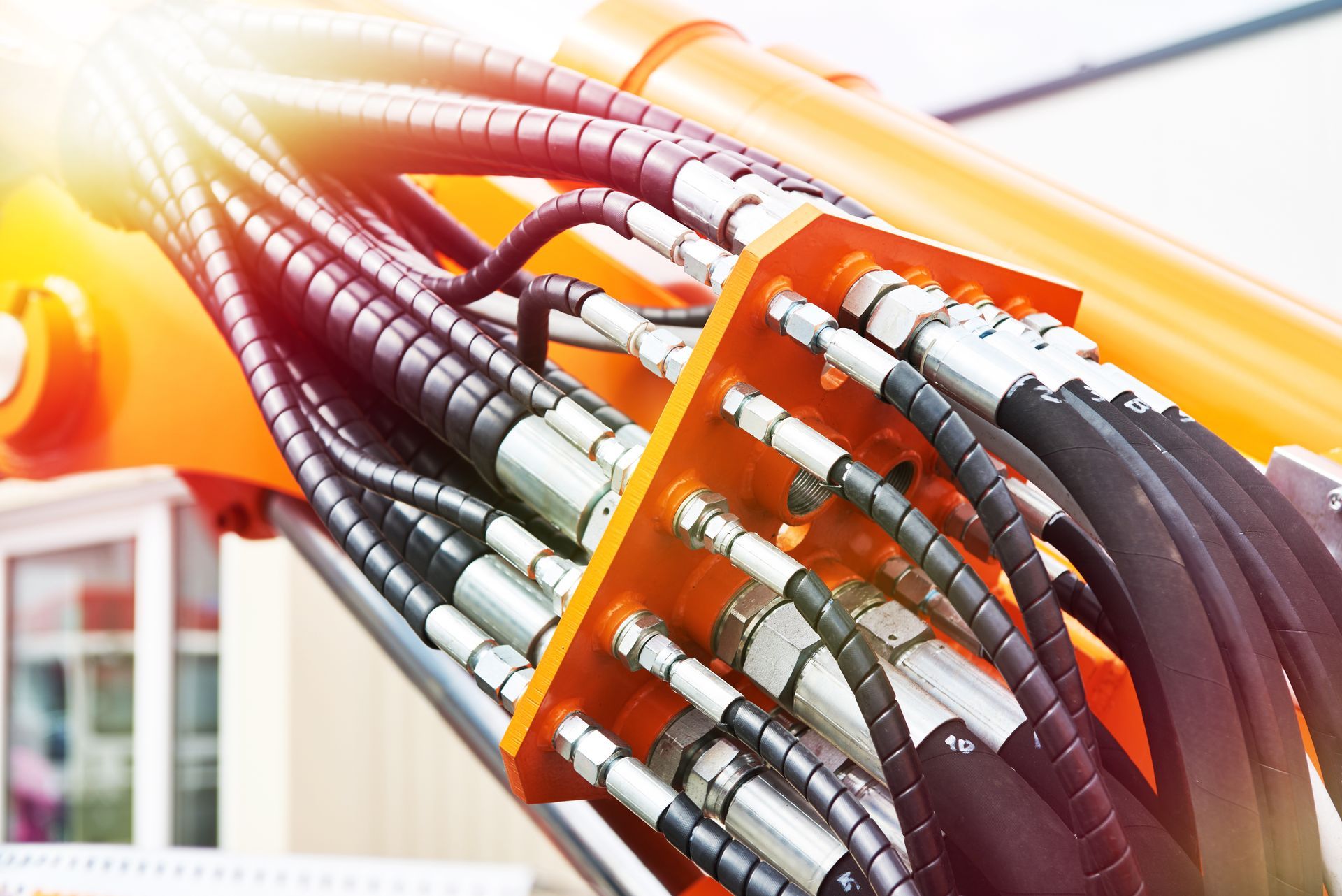
Understanding the Risks in Industrial and Construction Settings
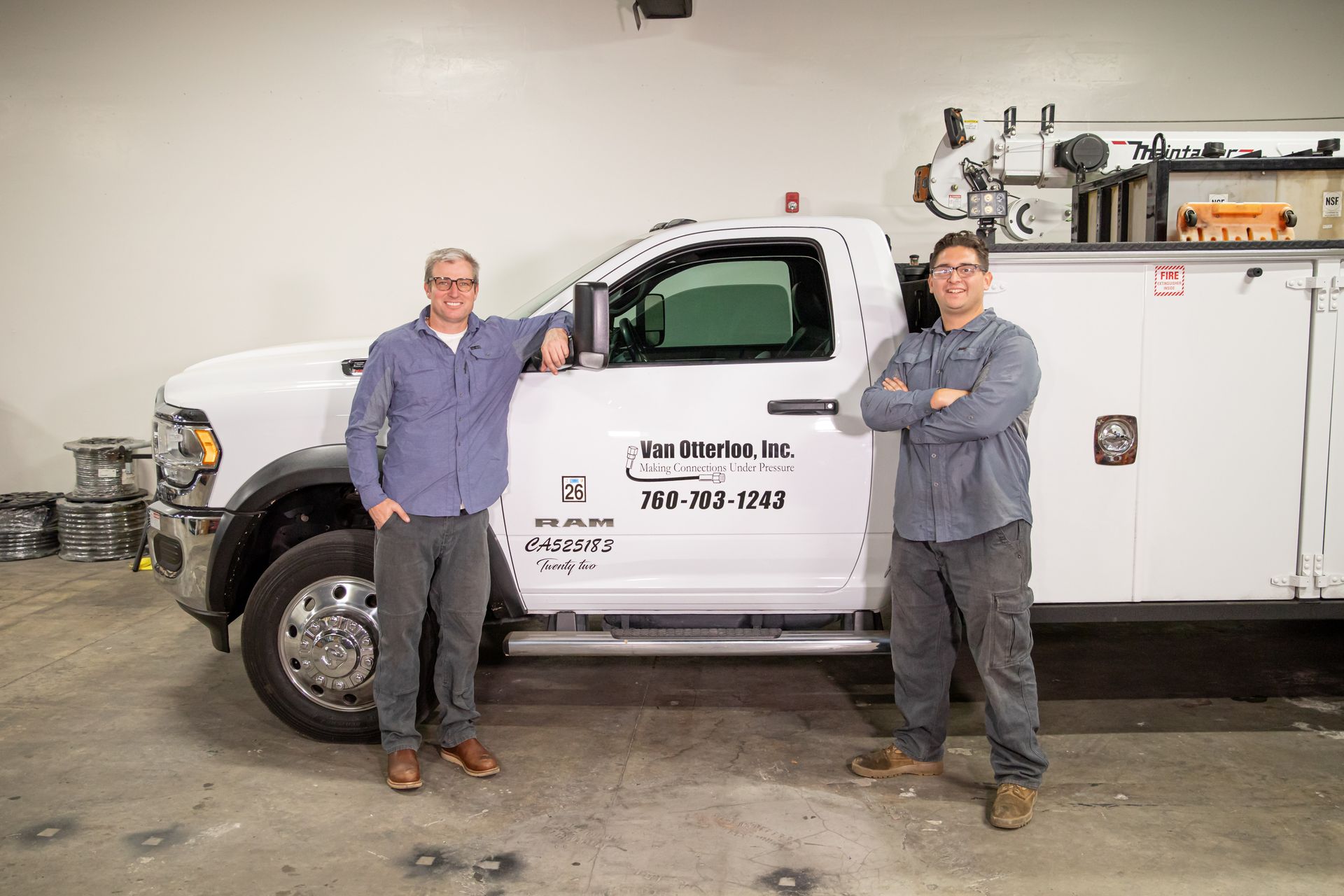
The Benefits of Immediate Mobile Service for Minimizing Downtime In industries that rely on hydraulic and industrial hoses—construction, manufacturing, agriculture, and heavy equipment operations—downtime isn’t just an inconvenience; it’s a significant financial drain. When a hydraulic hose fails, operations come to a standstill, delaying projects, increasing labor costs, and potentially damaging equipment. Traditional hose repair often means removing the damaged hose, transporting it to a repair shop, waiting for a replacement, and reinstalling it—wasting valuable hours or even days. But on-site hydraulic hose repair services eliminate this downtime, getting your equipment back up and running immediately.
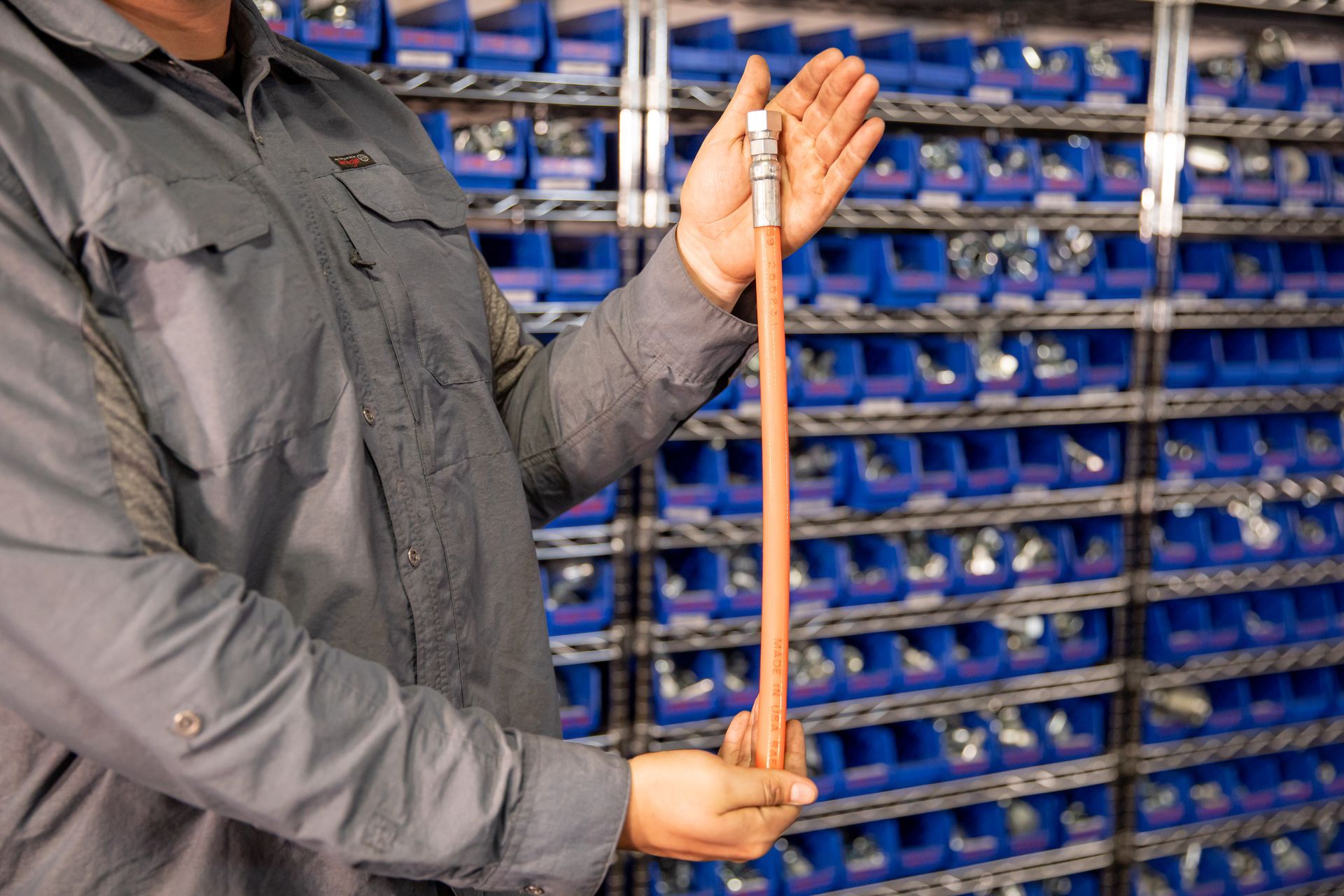
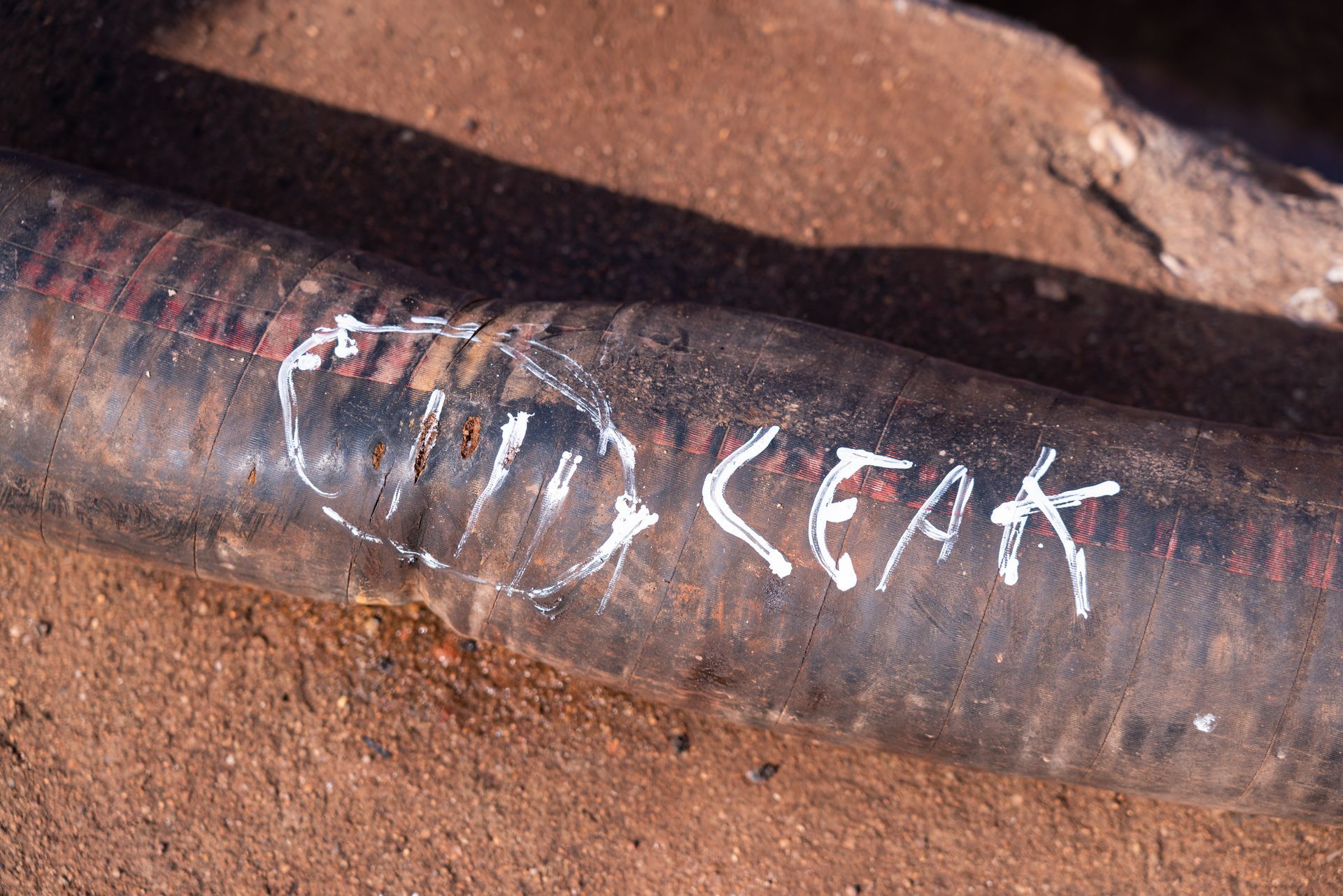
How to Identify Leaks, Wear, and Potential Failure Points Before They Become a Problem Hydraulic hoses are the lifeblood of many industries, from construction and agriculture to manufacturing and heavy equipment operations. A failing hose can lead to costly downtime, equipment damage, and even safety hazards. Knowing how to spot the warning signs of a failing hydraulic hose can save you from unexpected breakdowns and costly repairs. 1. Visible Leaks or Fluid Seepage One of the most apparent signs of a hydraulic hose problem is leaking fluid. Hydraulic systems operate under extreme pressure, and even a small leak can quickly become a major issue. Signs to watch for include: ✅ Dripping or spraying hydraulic fluid ✅ Puddles or wet spots around hoses and fittings ✅ A drop in hydraulic fluid levels in your system Why It’s Dangerous: Leaking hydraulic fluid reduces system efficiency and poses serious safety hazards, such as equipment failure and fire risks. If you notice a leak, shut down the equipment and have the hose inspected and replaced immediately. 2. Cracks, Abrasions, or Cuts in the Hose Hydraulic hoses are exposed to harsh conditions, including heat, friction, and environmental factors. Over time, wear and tear can lead to visible damage, such as: ✅ Cracks or deep cuts in the outer layer of the hose ✅ Abrasions from rubbing against metal parts or rough surfaces ✅ Worn-out protective covering or exposed reinforcement layers Why It’s Dangerous: A damaged outer layer weakens the hose’s structure, making it more susceptible to rupture under pressure. Once the inner reinforcement is compromised, failure is inevitable. 3. Bulges, Blisters, or Bubbles If you notice bulging or blistering along the hose, it’s a sign of internal damage. This can be caused by: ✅ Excessive pressure ✅ Incompatible hydraulic fluid ✅ High temperatures degrading the hose material Why It’s Dangerous: Blisters and bulges indicate that the inner layers of the hose are deteriorating. These weak spots can rupture unexpectedly, causing sudden equipment failure or injury to nearby workers. 4. Stiffness, Kinks, or Twisting Hydraulic hoses should remain flexible for proper performance. If a hose becomes stiff, brittle, or twisted, it could be due to: ✅ Age-related deterioration ✅ Extreme temperature exposure ✅ Incorrect installation causing stress on the hose Why It’s Dangerous: Kinked or twisted hoses disrupt fluid flow, leading to inefficient performance, increased pressure, and potential failure under load. 5. Loose or Damaged Fittings & Connections The integrity of hydraulic hose fittings is just as crucial as the hose itself. Look for: ✅ Loose fittings that leak fluid ✅ Rusted, cracked, or corroded connectors ✅ Signs of wear or excessive movement at connection points Why It’s Dangerous: A faulty fitting can lead to high-pressure leaks or hose detachment, resulting in serious injury or costly downtime. 6. Frequent Pressure Drops or System Inefficiency If your hydraulic system isn’t performing as expected, your hoses could be to blame. Signs of inefficiency include: ✅ Loss of pressure in the system ✅ Slower response times from equipment ✅ Overheating hydraulic components Why It’s Dangerous: A compromised hose restricts fluid flow, leading to excessive strain on the pump and other components. This can cause premature wear and expensive repairs. Preventive Maintenance: Avoid Costly Breakdowns Routine inspections and maintenance can extend the lifespan of your hydraulic hoses and prevent unexpected failures. Here’s what you can do: ✔️ Perform regular visual checks – Inspect hoses for signs of wear, leaks, and damage before each use. ✔️ Replace hoses before they fail – If you notice any of the warning signs above, don’t wait—schedule a repair or replacement. ✔️ Use high-quality replacement hoses – Investing in durable, high-performance hoses ensures better reliability and longevity. ✔️ Schedule professional inspections – A trained hydraulic hose technician can identify issues early and provide expert solutions. Need Immediate Hydraulic Hose Repair? We’ve Got You Covered! At Van Otterloo Inc, we specialize in on-site, immediate hydraulic hose repair and replacement throughout San Diego. If you’ve spotted any of these warning signs on your equipment, don’t wait— contact us today to keep your operations running smoothly and safely.
Discover how regular equipment inspections & proative hose replacements can save your business time and money.
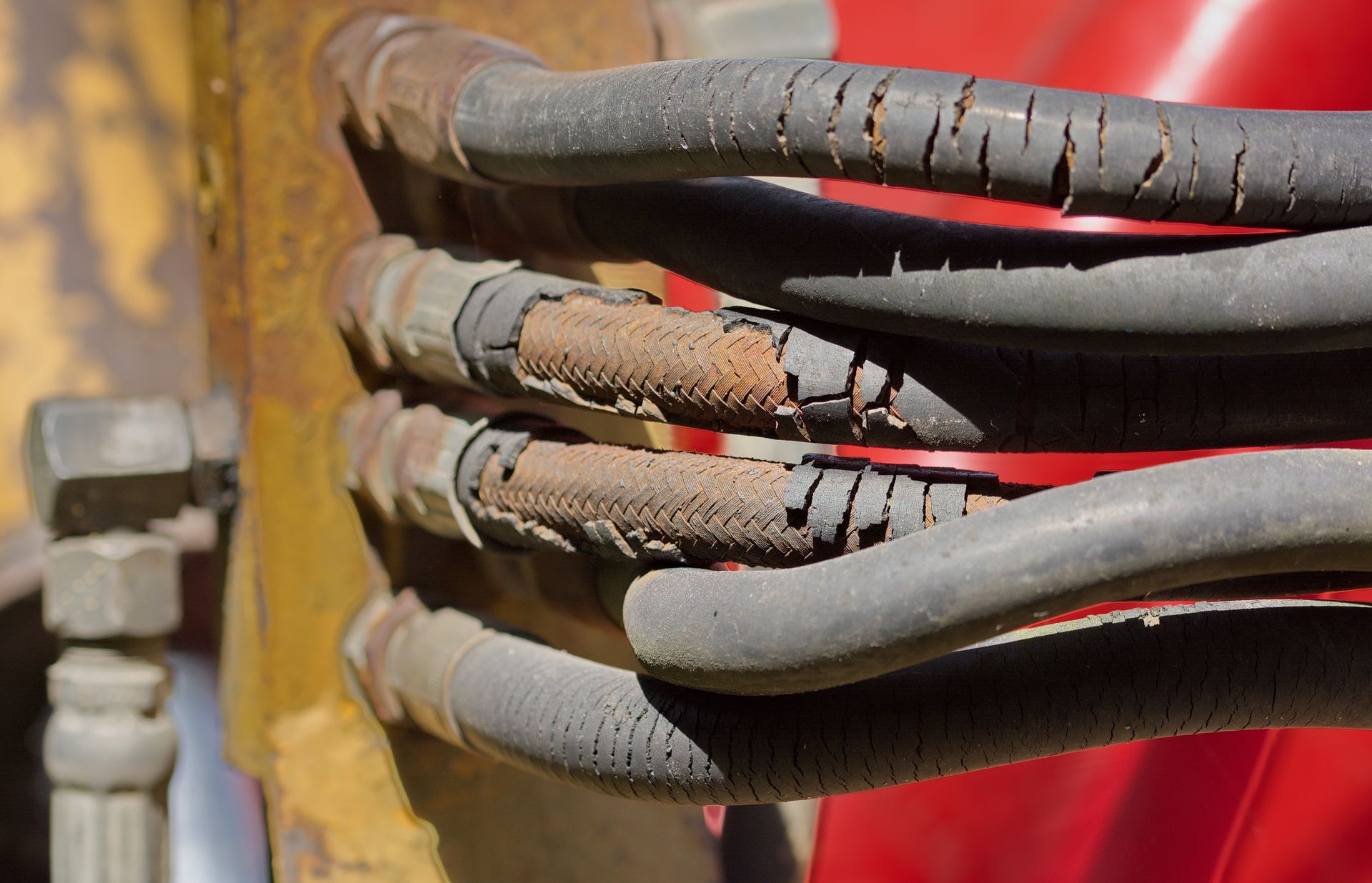
Hydraulic hose failures can lead to costly downtime. Learn to spot the early signs to keep your operations running smoothly.
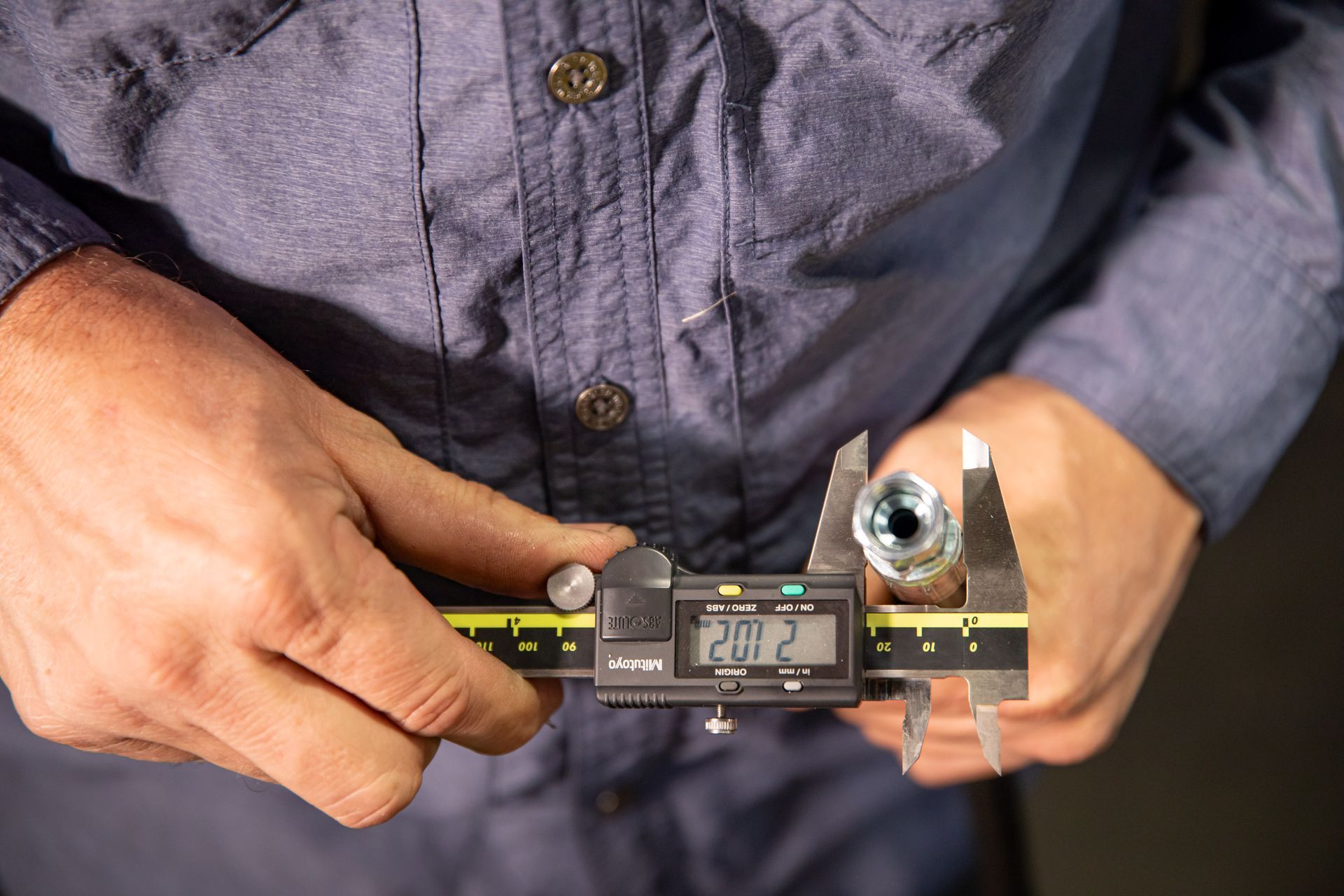
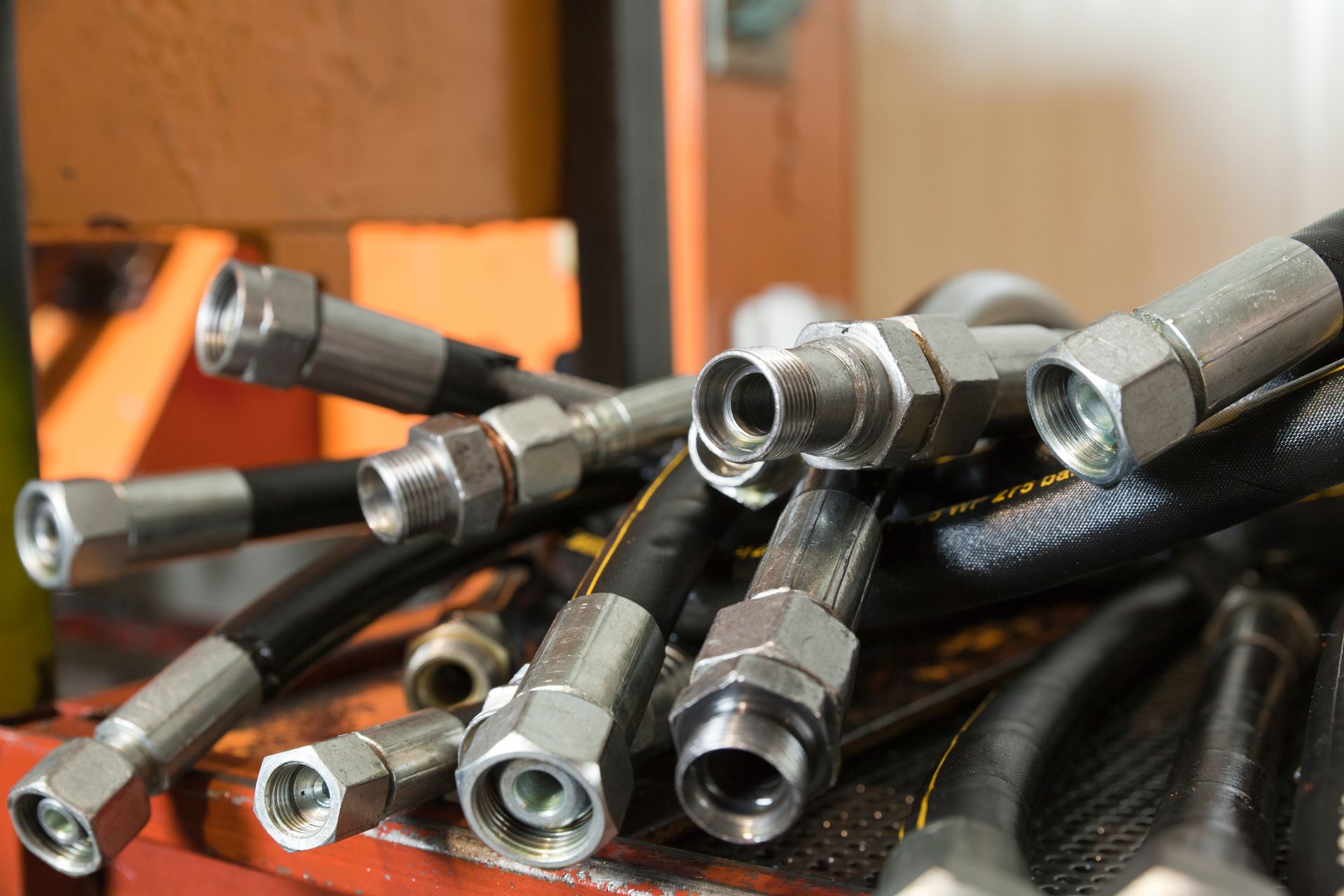
From measurements to fittings, this post walks you through the process of creating custom hose assemblies for any application.